Unitree G1 Performs World's First Robot-Assisted Laparoscopic Surgery, Published in Nature
A Unitree G1 humanoid robot has successfully completed the world's first humanoid-robot-assisted laparoscopic surgery on a living animal, with the breakthrough published in Nature — marking the first time a general-purpose humanoid platform has been validated for a complex surgical procedure.
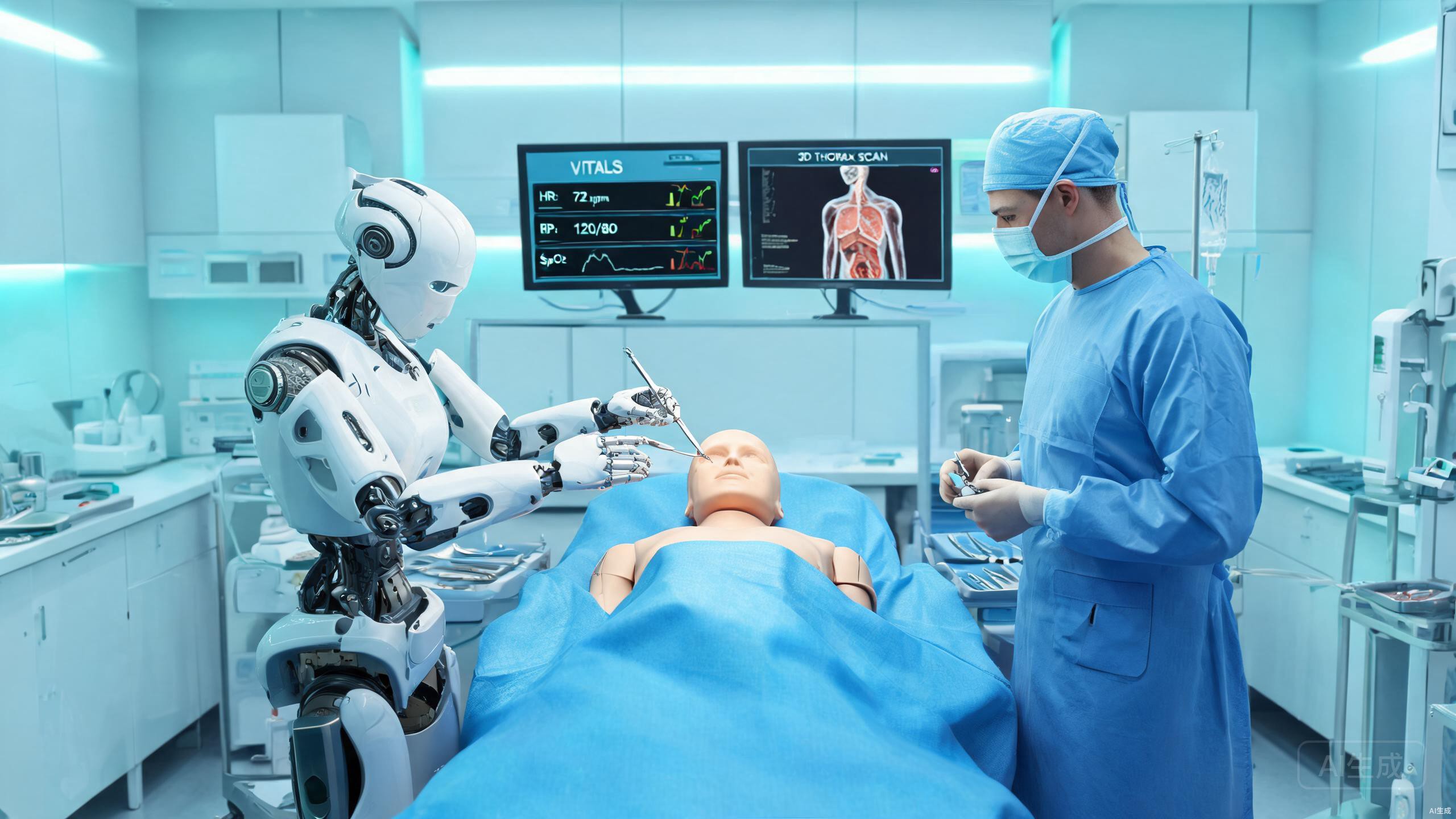
A research team led by surgeons at Shanghai Jiao Tong University School of Medicine, in collaboration with Unitree Robotics, has successfully used a Unitree G1 humanoid robot to perform the world's first humanoid-robot-assisted laparoscopic surgery on a living porcine model. The peer-reviewed results were published in Nature on June 15, 2026, in a paper titled 'Autonomous humanoid robot-assisted minimally invasive surgery with closed-loop haptic feedback.'
The G1 robot was retrofitted with a proprietary surgical end-effector system and a haptic feedback module that allows the robot to sense tissue resistance in real time. During the 47-minute procedure — which included abdominal access, tissue dissection, and suture closure — the G1 operated under a shared-autonomy paradigm where the robot executed fine motor surgical actions autonomously while the supervising surgeon provided high-level guidance through a voice and gesture interface.
The Nature paper details how the team trained the G1's surgical skills using a combination of teleoperation data collection from expert surgeons, reinforcement learning in simulation, and a novel 'surgical foundation model' that encodes anatomical knowledge and procedural protocols. The robot achieved a tissue-damage score 23% lower than the human expert control group and completed suturing tasks with sub-millimeter precision.
This achievement is particularly significant because it demonstrates that a general-purpose humanoid platform — not a purpose-built surgical robot like Intuitive Surgical's da Vinci — can be adapted for complex surgical procedures. The G1's humanoid form factor means it can use the same surgical instruments, operating tables, and room layouts as human surgeons, potentially enabling deployment in hospitals without specialized robotic surgery infrastructure.
The breakthrough has sparked intense discussion in both the medical and robotics communities. While regulatory approval for human trials is still years away, the demonstration validates humanoid robots as viable platforms for high-stakes, high-precision tasks. Unitree's stock surged 18% on the Shanghai STAR Market following the announcement, and the company confirmed it is establishing a dedicated medical robotics division.
We didn't build a surgical robot. We taught a general-purpose humanoid to do surgery. That distinction is everything — it means one platform can work in a factory, a hospital, and a home.
— Wang Xingxing, Founder of Unitree Robotics
Related Robot
Unitree G1
Unitree Robotics
Related News
 IFA Berlin / AI2Work
IFA Berlin Stages First Robot Catwalk in 102-Year History
On September 5, 2026, IFA Berlin staged 'Robots on the Runway' — the first robot fashion catwalk in the show's 102-year history. Eleven humanoid robotics exhibitors including Unitree, AgiBot, DEEP Robotics, EngineAI and AiMOGA walked a purpose-built T-stage at the Creator Stage. Chinese firms accounted for 932 of IFA's 1,900+ exhibiting brands, nearly half the show, marking physical AI as the headline act.
 Xinhua / Timeout Riyadh
Chinese Robots Steal the Show at LEAP 2026 in Saudi Arabia
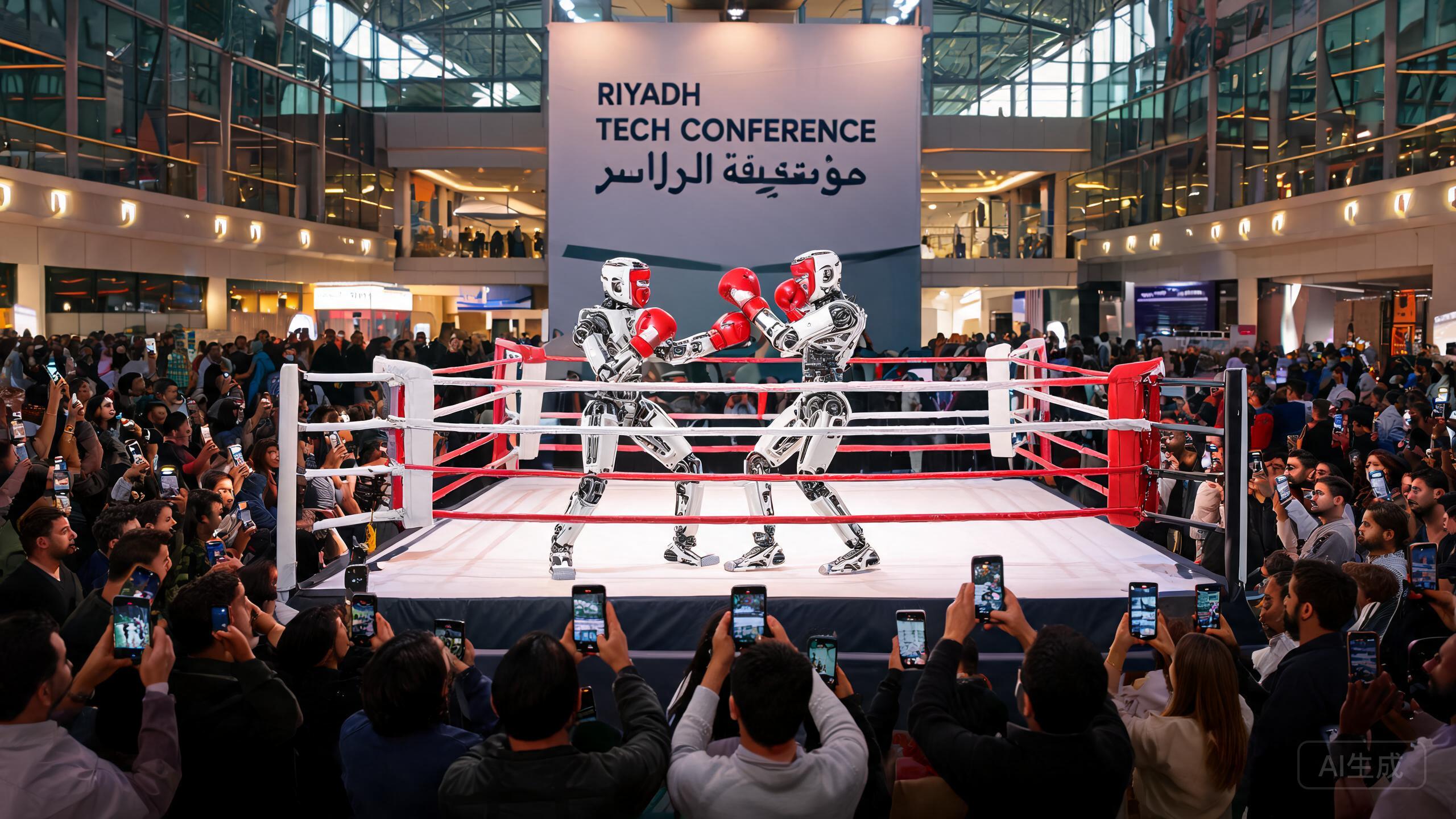
At LEAP 2026 in Riyadh (Aug 31 – Sep 3), Chinese robotics firms became the crowd favorites. Unitree's humanoid boxing ring drew the largest crowds, AGIBOT's ridable quadruped drew queues, and HONOR's robot phone made its overseas debut. Meanwhile, Hero Esports announced CyberHero x Riyadh — the Middle East's first humanoid robot kickboxing event — for September 9, 2026.
 Channel News Asia / Xinhua
Singapore Trials Humanoid Robot 'Olly' at Little India MRT Station
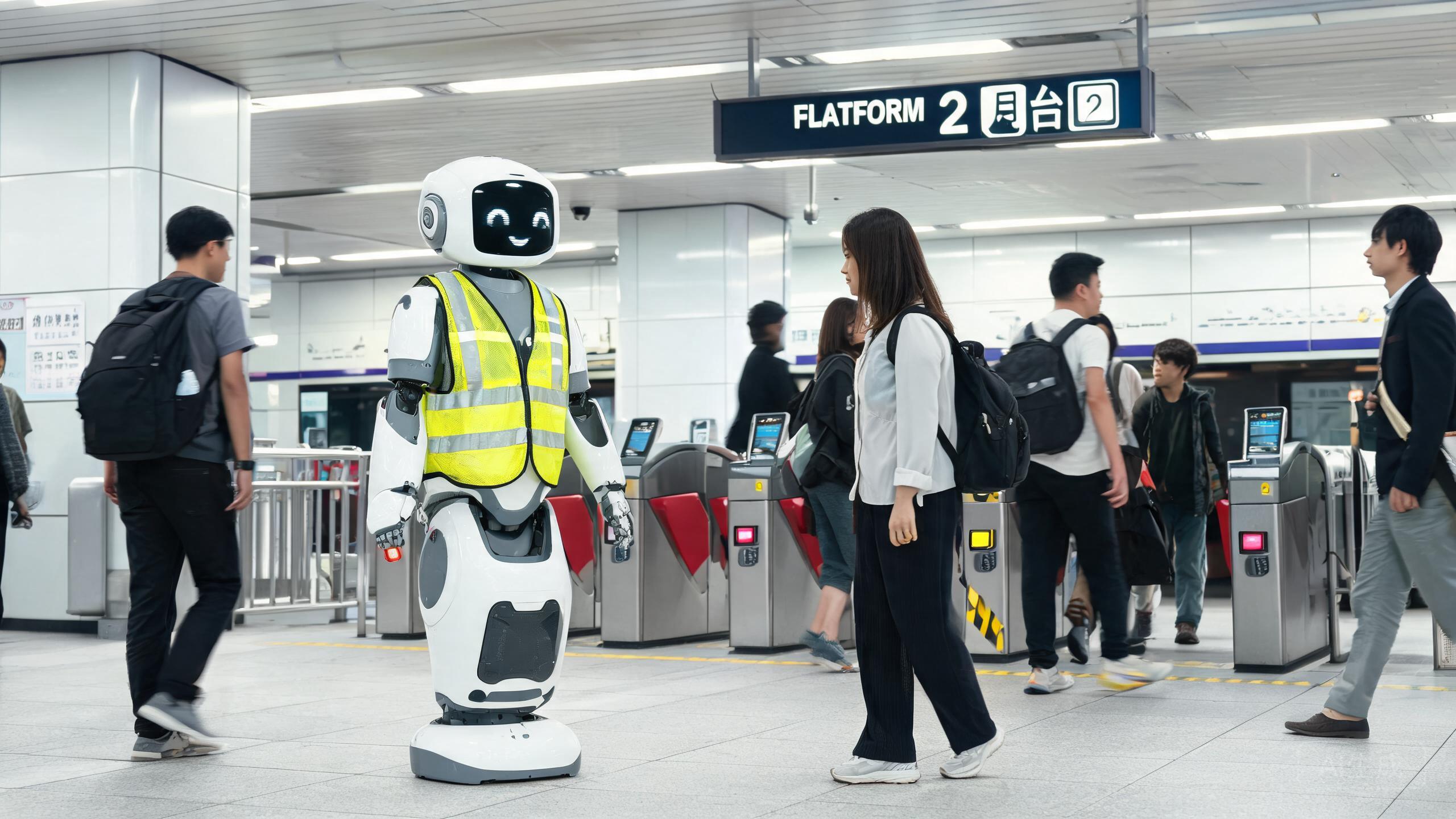
Singapore's Land Transport Authority deployed a 1.27m humanoid robot named 'Olly' — developed by Unitree Robotics — at Little India MRT station for a two-week trial from August 31 to September 11, 2026. Olly answers passenger queries and guides commuters to exits, with mixed but encouraging results on direction accuracy and voice recognition in a noisy transit environment.