UBTECH Walker S1 Robots Deployed at BYD and Foxconn Production Lines
UBTECH's Walker S1 humanoid robots have been deployed at BYD and Foxconn factories, performing collaborative tasks alongside industrial intelligent equipment. The robots feature 41 servo joints and centimeter-level positioning accuracy, marking the transition from exhibition demos to real industrial production lines.
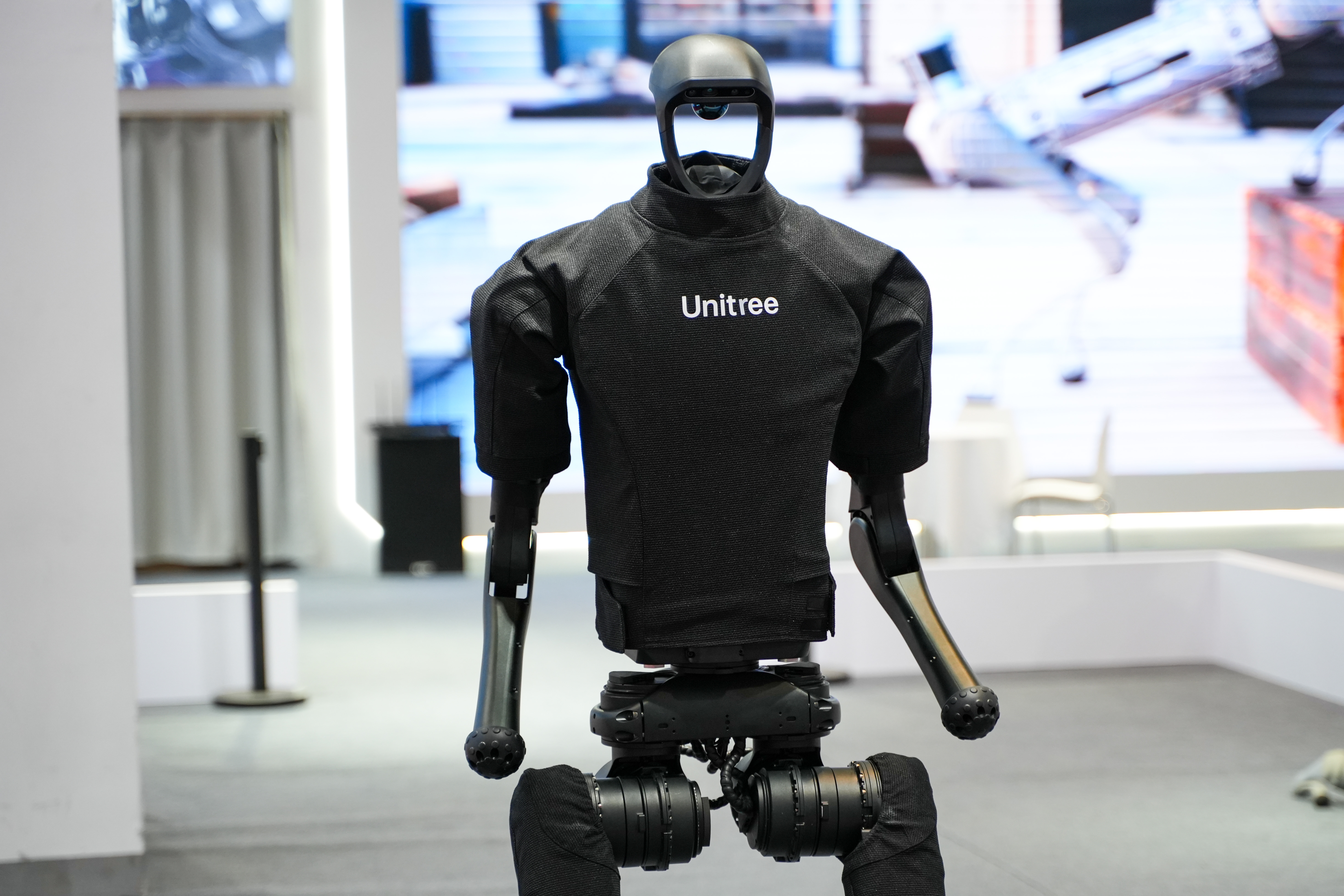
According to a July 2026 report by the People's Posts and Telecommunications News, UBTECH's Walker S1 humanoid robots have been deployed at BYD and Foxconn production lines, performing collaborative tasks alongside various industrial intelligent equipment. This marks the domestic humanoid robot industry's official entry into large-scale industrial application.
The Walker S series features 41 servo joints and relies on a multi-modal perception system to achieve centimeter-level precise positioning, adaptable to multi-robot collaborative operations. UBTECH has pursued a full-stack self-development strategy, covering motors, reducers, controllers, and algorithms, with a self-development rate exceeding 90%.
Simultaneously, BYD's self-developed humanoid robots have accumulated approximately 150 prototype units deployed at production bases in Shenzhen and Changsha for training. These robots perform handling, labeling, and other routine processes with operational efficiency reaching 80% of human workers. XPeng's Iron humanoid robot has also entered Geely's production line for industrial scenario adaptation testing.
On the international front, Figure AI's Figure 02 robot has been running stably for over 1,250 hours at a BMW factory, deeply participating in vehicle production. Tesla's Optimus has completed multiple iterations with the V3 version finalized for mass production preparation. Boston Dynamics has partnered with Google DeepMind to integrate general-purpose large models into its robots.
Industry experts note that the current humanoid robot boom is driven by AI technology, distinguishing it from traditional robot iteration logic. The industry is following a 'general first, specialized later' development path — first building a universal technology base, then expanding into specialized capabilities for industrial manufacturing, elderly care, equipment inspection, and other vertical scenarios.
The current humanoid robot industry is transitioning from exhibition demonstrations to real industrial production. Hardware endurance, remote human-robot collaboration, and mass production capability have become the core barriers to deployment.
— 人民邮电报
Related Robot
Unitree H1
Unitree Robotics
Related News
 Unitree Technology / Shanghai Stock Exchange
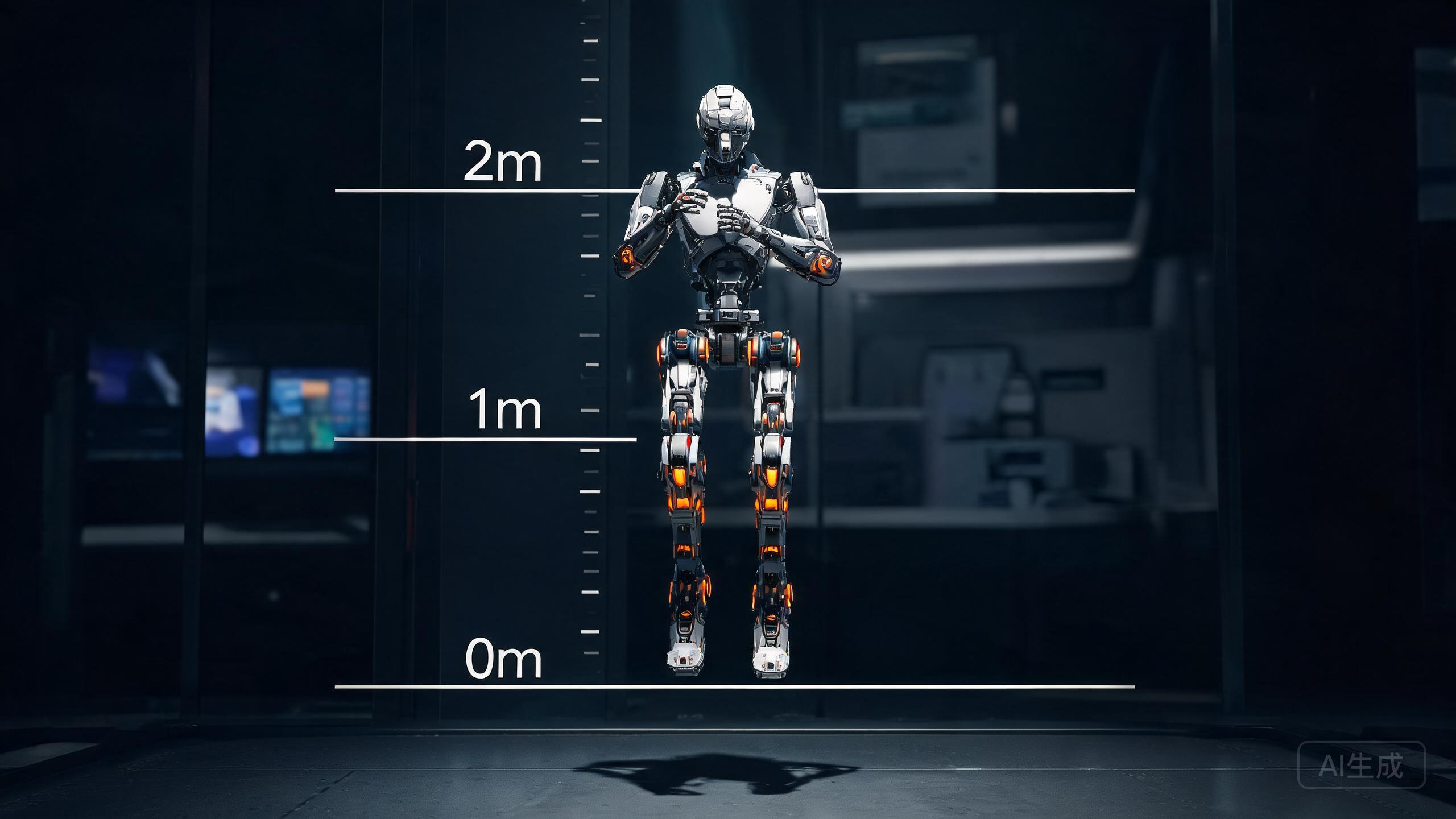
Unitree Lists on Shanghai STAR Market, Unveils 'Superman' Robot Jumping 2 Meters
Unitree Technology debuted on the Shanghai STAR Market on August 19, 2026, at 150.80 yuan per share with a market cap of approximately 61 billion yuan — becoming China's first publicly listed pure-play humanoid robot company. On the eve of listing, Unitree released a video of its 'Superman' robot achieving a 2-meter standing high jump and 12.66 m/s running speed, surpassing human world records.
 NVIDIA
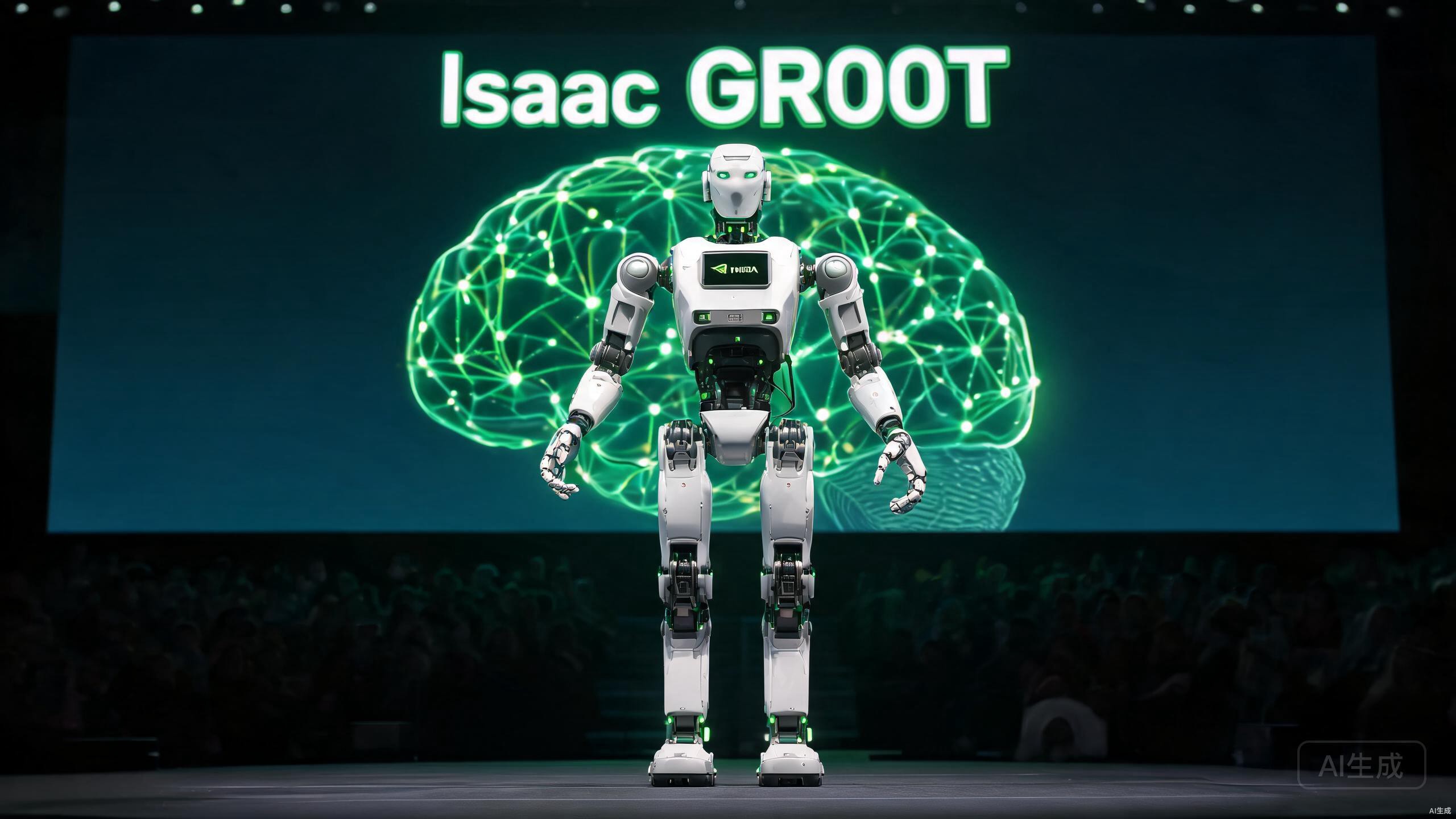
NVIDIA Unveils Isaac GR00T Reference Humanoid Robot Built on Unitree H2
NVIDIA has launched the Isaac GR00T reference humanoid robot — a complete hardware-software blueprint combining a Unitree H2 body, Sharpa dexterous hands, and a Jetson Thor compute module — paired with the Halos safety system, aiming to become the 'Android of humanoid robots.'
 Unitree Robotics
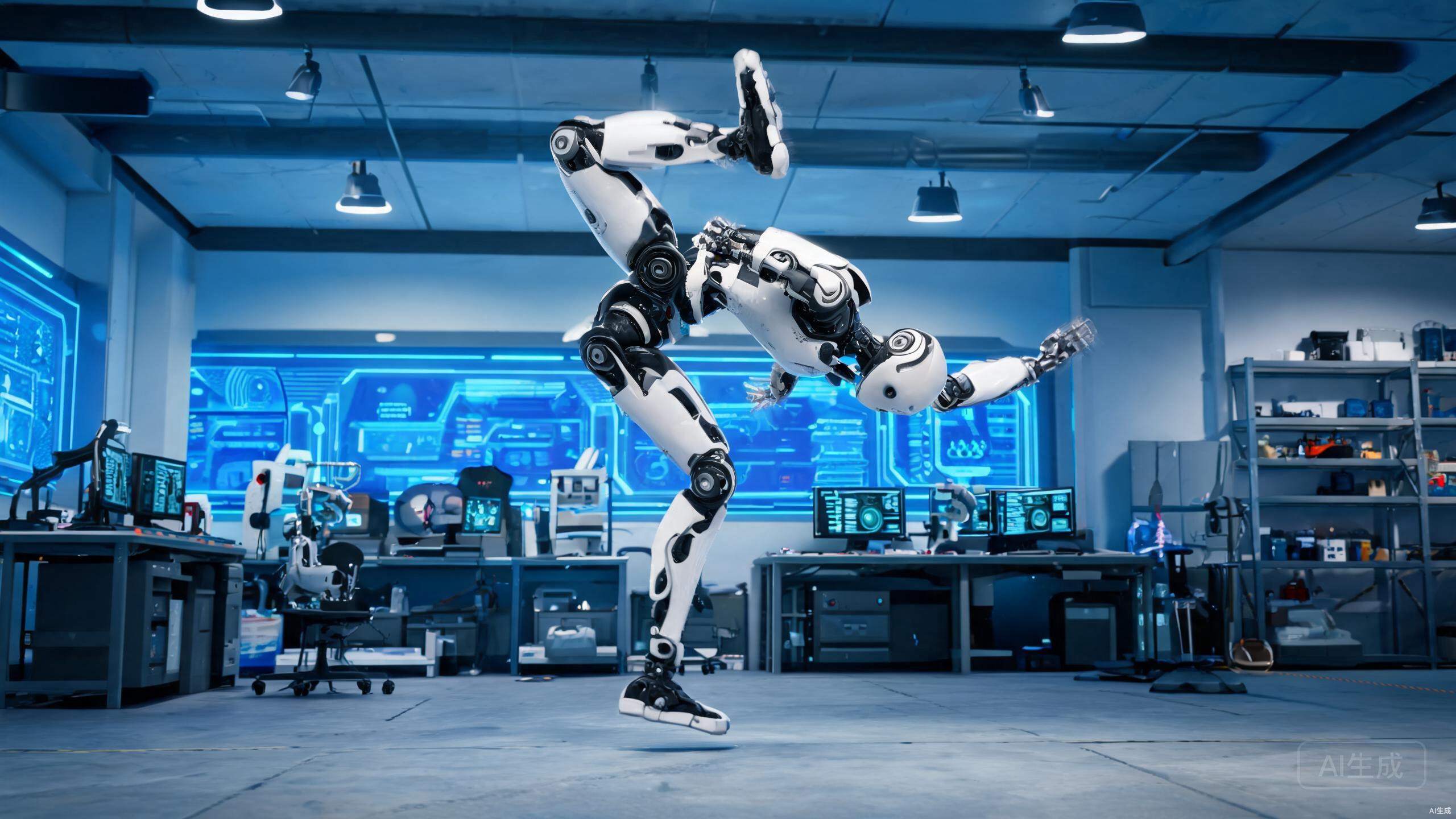
Unitree H1 humanoid Robot Lands a Perfect Standing Backflip
Chinese robotics maker Unitree has demonstrated its H1 humanoid robot executing a clean standing backflip, showcasing breakthroughs in whole-body balance, dynamic motor torque control, and agile recovery algorithms for affordable bipedal platforms.